
Inner peace is something we all want but find hard to explain. It means feeling calm and balanced inside, no matter what is happening around us. This article will explore what inner peace looks like and how it can be different for everyone. We will look at different ideas and practices from history, culture, psychology, and spirituality. We will also share practical tips to help you find and keep your own inner peace.
Key Takeaways
- Inner peace means feeling calm and balanced inside, no matter what is happening around you.
- Different cultures and philosophies have their own ideas about what inner peace means.
- Mindfulness and emotional control are important for finding inner peace.
- Spiritual practices and meditation can help you feel more at peace.
- Daily habits and self-care are key to keeping your inner peace.
The Concept of Inner Peace
Historical Perspectives on Inner Peace
Throughout history, people have sought inner peace. Ancient civilizations, like the Greeks and Romans, believed that inner peace was a state of balance and harmony. They thought it was important to be in tune with yourself and the world around you. This idea has been passed down through generations and still holds true today.
Philosophical Views on Inner Peace
Philosophers have long discussed the concept of inner peace. Some argue that it involves finding tranquility within oneself, while others believe it’s about embracing life’s fluctuations. Inner peace is often described as a profound sense of calm, acceptance, and contentment. It signifies being in harmony with yourself, others, and the world around you.
Modern Interpretations of Inner Peace
Today, inner peace is often linked to mindfulness and mental health. People use techniques like meditation and deep breathing to find peace within themselves. Modern views also emphasize the importance of emotional regulation and self-care. Inner peace is not just about being calm; it’s about feeling balanced and content in your daily life.
Cultural Variations in Inner Peace
Inner Peace in Eastern Cultures
In Eastern cultures, inner peace is often linked to practices like meditation and mindfulness. These traditions emphasize living in the moment and finding balance within oneself. Many people in these cultures believe that true peace comes from within. This idea is deeply rooted in their spiritual and philosophical teachings.
Inner Peace in Western Societies
Western societies tend to view inner peace through the lens of personal achievement and self-improvement. The focus is often on setting goals and overcoming challenges. While this approach can be effective, it sometimes overlooks the importance of emotional well-being. Finding inner peace in the West often involves a mix of therapy, self-help, and mindfulness practices.
Indigenous Approaches to Inner Peace
Indigenous cultures have unique ways of understanding inner peace. For them, it is closely tied to nature and community. They believe that being in harmony with the environment and maintaining strong social bonds are key to achieving peace. This perspective highlights the importance of resilience and a positive outlook, which are seen as universal traits of wisdom.
Psychological Aspects of Inner Peace
The Role of Mindfulness
Mindfulness is about being present in the moment. When you focus on the here and now, you can reduce stress and find calm. Mindfulness helps you notice your thoughts and feelings without judging them. This practice can lead to a deeper sense of inner peace.
Impact of Emotional Regulation
Being able to manage your emotions is key to finding inner peace. When you understand and control your feelings, you can handle life’s ups and downs better. This skill helps you stay balanced and calm, even in tough times.
Connection Between Inner Peace and Mental Health
Inner peace and mental health are closely linked. When you feel peaceful inside, your mind is healthier. Good mental health can make it easier to find and keep inner peace. By taking care of your mind, you can create a happier and more peaceful life.
Spiritual Dimensions of Inner Peace

Inner Peace in Religious Practices
Religious practices often play a key role in achieving inner peace. Many people find comfort and tranquility through prayer, worship, and other spiritual activities. These practices can help you feel connected to something greater than yourself, providing a sense of purpose and calm.
Meditative Techniques for Inner Peace
Meditation is a powerful tool for finding inner peace. By focusing your mind and calming your thoughts, you can unlock a deep sense of relaxation and clarity. Meditative techniques vary widely, from mindfulness meditation to guided imagery, but all aim to help you achieve a state of inner calm.
Spiritual Teachings on Inner Peace
Spiritual teachings from various traditions offer valuable insights into achieving inner peace. These teachings often emphasize the importance of love, compassion, and forgiveness. By incorporating these principles into your life, you can foster a sense of inner harmony and well-being. Spiritual wellness is a personal journey that can include religious practices just as much as it can other forms of spiritual exploration.
Practical Steps to Achieve Inner Peace
Daily Habits for Inner Peace
Creating daily habits can help you find inner peace. Consistency is key when it comes to building these habits. Start by practicing mindfulness and meditation. These activities can help you stay present and calm. Simplifying your life and connecting with nature are also important steps. Cultivating positive relationships can make a big difference in your overall happiness.
The Importance of Self-Care
Self-care is essential for achieving inner peace. Taking time for yourself allows you to recharge and refocus. This can include activities like reading, exercising, or simply relaxing. Self-awareness and optimism are also important aspects of self-care. By being aware of your needs and maintaining a positive outlook, you can better manage stress and find peace within yourself.
Building Resilience for Inner Peace
Building resilience is crucial for maintaining inner peace. Life is full of challenges, and being able to bounce back from them is important. Engaging in meaningful activities and embracing personal growth can help you build resilience. Understanding the role of neuropsychology in forming lasting habits can also be beneficial. By developing these skills, you can enhance your well-being and find lasting inner peace.
Related: 11 Essential Habits for Happiness
Challenges to Maintaining Inner Peace
Dealing with External Stressors
Life is full of challenges that can disrupt your inner peace. From work pressures to family issues, these external stressors can make it hard to stay calm. Surrounding yourself with supportive relationships enhances positivity and helps you manage these stressors better. Open communication and appreciation can also play a big role in keeping your peace.
Overcoming Internal Conflicts
Internal conflicts, like self-doubt and negative thoughts, can be just as disruptive as external stressors. It’s important to practice self-acceptance and gratitude to combat these feelings. Embracing change and uncertainty is vital for personal growth, as adaptability can significantly improve your outlook on life.
Navigating Life Transitions
Life transitions, such as moving to a new city or changing jobs, can be stressful. These changes can shake your sense of stability and peace. However, by being adaptable and open to new experiences, you can find ways to maintain your inner peace even during these times of change.
Related: Spirituality for Beginners: Where to Start & What to Look For
Inner Peace in Different Life Stages
Inner Peace in Childhood
Inner peace in childhood often comes from a sense of security and love. When children feel safe and valued, they are more likely to experience calmness and joy. Encouraging play and creativity can also help children find inner peace. A stable environment is crucial for their emotional well-being.
Inner Peace in Adulthood
As adults, finding inner peace can be more challenging due to responsibilities and stress. However, it is still achievable through mindfulness and self-care. Adults often seek inner peace by balancing work, relationships, and personal time. Mindfulness practices, like meditation, can be very effective in maintaining inner calm.
Inner Peace in Later Life
In later life, inner peace often comes from acceptance and reflection. Older adults may find peace by looking back on their lives with a sense of fulfillment. Spirituality and community connections can also play a significant role. Embracing one’s journey and finding meaning in past experiences can lead to a profound sense of inner peace.
Finding inner peace can be different at every stage of life. Whether you’re a teenager dealing with school stress or an adult juggling work and family, peace is possible.
Discover how to find calm and balance no matter your age. Visit our website to learn more and start your journey to a peaceful life today.
Conclusion
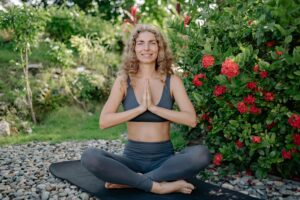
In the end, inner peace looks different for everyone. For some, it might be a quiet moment alone, while for others, it could be spending time with loved ones. The important thing is to find what makes you feel calm and happy. Remember, it’s okay if your way of finding peace is different from someone else’s. What matters most is that it works for you. So, take the time to discover what brings you peace and make it a part of your daily life.