Wisdom and knowledge are thought to be related but they are not. We all know people who are well educated and not wise and vice-versa.
This article will explore what wisdom means, why it’s important, and how we can develop it in our lives.
Key Takeaways
- Wisdom involves using knowledge in a practical and beneficial way.
- Different cultures and religions have unique perspectives on wisdom.
- Wisdom plays a crucial role in making decisions and building relationships.
- We can cultivate wisdom through experience, reflection, and seeking guidance.
- Wisdom contributes to personal growth and community well-being.
Understanding the Concept of Wisdom
Defining Wisdom
Wisdom is often seen as the ability to make sound decisions and give good advice. It goes beyond just knowing facts; it involves applying that knowledge in real-life situations. Wisdom combines knowledge, experience, and deep understanding. It also includes a tolerance for the uncertainties of life, giving you a sense of balance. Wisdom is a code-word for living with peace.
Historical Perspectives on Wisdom
Throughout history, many cultures have valued wisdom. Ancient philosophers like Socrates and Confucius emphasized the importance of wisdom in leading a good life.
Wisdom in Different Cultures
Different cultures have their own interpretations of wisdom. Despite these differences, the core idea remains the same: wisdom helps you navigate the complexities of life effectively.
The Biblical Perspective on Wisdom
Wisdom in the Old Testament
In the Old Testament, wisdom is often linked to the fear of the Lord or a higher power. This means having a deep respect and reverence for God. King Solomon is a prime example of someone who asked God for wisdom and was granted it. The Book of Proverbs is filled with sayings that highlight the importance of wisdom in daily life.
Teachings of Jesus on Wisdom
Jesus emphasized wisdom in His teachings. He often used parables to convey deeper truths. For instance, the parable of the wise and foolish builders teaches us to build our lives on solid foundations. Jesus also highlighted that true wisdom comes from God and is shown through our actions. Remember the idea that “actions speak louder than words.”
Proverbs and Wisdom Literature
The Bible contains several books known as wisdom literature, including Proverbs, Ecclesiastes, and Job. These books offer practical advice on how to live a life that is pleasing to God. They cover various topics, from relationships to personal growth, and emphasize that wisdom’s importance cannot be overstated.
Related: Words of Wisdom

The Importance of Wisdom in Daily Life
Wisdom and Decision Making
Making decisions can be tough, but wisdom helps you choose the best path. It allows you to weigh the pros and cons and think about the long-term effects. Good judgment is key to making choices that benefit you and those around you. Wisdom helps you avoid mistakes and make decisions that align with your values.
Wisdom in Relationships
In relationships, wisdom helps you understand and empathize with others. It teaches you to listen and communicate effectively. This can lead to stronger, more meaningful connections. Wisdom also helps you resolve conflicts and build trust, making your relationships more fulfilling.
Wisdom for Personal Growth
Wisdom is essential for personal growth. It encourages you to learn from your experiences and seek out new knowledge. By reflecting on your actions and their outcomes, you can grow and improve. Wisdom also helps you set realistic goals and work towards achieving them, leading to a more satisfying life.
How to Cultivate Wisdom
Learning from Experience
Wisdom often comes from looking back on what you’ve been through. When you think about your past, you can see things in a new way. This helps you understand different points of view instead of just seeing things as right or wrong. Embracing humility and learning from your mistakes are key steps to becoming wiser.
RELATED: How to Become Wiser
Seeking Guidance from a higher power
Many people find wisdom by turning to their faith. Praying and reading religious texts can offer insights and help you see the bigger picture. This can guide you in making better choices and understanding life’s deeper meanings. Remember to take what is helpful and avoid parts that don’t speak to you.
Practicing Reflection and Mindfulness
Taking time to think about your day and your actions can help you grow wiser. Mindfulness practices and meditation can make you more aware of your thoughts and feelings. This awareness can lead to better decision-making and a more balanced life. Engaging with complex problems and reflecting on them can also help you develop wisdom.
Wisdom and Community Well-being
Building Stronger Communities
Wisdom is essential for creating strong communities. When you act wisely, you think about how your actions affect others. This sense of empathy and cooperation helps build trust and commitment among community members. Wisdom maximizes individual and team performance by fostering these positive relationships.
Wisdom in Leadership
Leaders who possess wisdom can guide their communities more effectively. They make better decisions because they consider the long-term impact on everyone involved. Wise leaders also strive for balance and a connection to others, ensuring that both the common good and individual needs are met.
Promoting Social Harmony
Wisdom plays a crucial role in promoting social harmony. By understanding and respecting the motives of others, you can foster a sense of purpose and fulfillment within the community. Wise actions lead to a more cooperative and peaceful society, where everyone feels valued and understood.
Wisdom in the Modern World
Wisdom in the Workplace
In today’s fast-paced work environment, wisdom plays a crucial role. Making sound decisions can set you apart from others. Wise leaders often inspire their teams, fostering a positive and productive atmosphere. They are humble and value others. They know when to take risks and when to play it safe, balancing short-term gains with long-term goals.
Technological Advancements and Wisdom
With rapid technological advancements, the need for wisdom has never been greater. While technology offers numerous benefits, it also presents challenges. You must discern how to use these tools responsibly. For instance, social media can connect us, but it can also spread misinformation. Being wise means knowing the difference and acting accordingly.
Balancing Knowledge and Wisdom
Knowledge and wisdom are not the same. In the modern world, it’s easy to get overwhelmed with data. Wisdom helps you filter out the noise and focus on what truly matters. This is essential for making informed decisions and leading a fulfilling life.
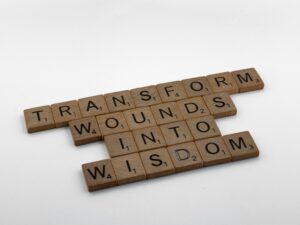
Challenges to Gaining Wisdom
Overcoming Ignorance
One of the first hurdles in gaining wisdom is overcoming ignorance. It’s easy to stay in your comfort zone and avoid new ideas. However, wisdom requires you to seek out knowledge and understand different perspectives. This means being open to learning and sometimes unlearning what you thought you knew.
Dealing with Misinformation
In today’s world, misinformation is everywhere. It can be hard to tell what’s true and what’s not. To gain wisdom, you need to develop critical thinking skills. This helps you to question the information you come across and verify its accuracy. Remember, wisdom is not just about knowing things; it’s about knowing the right things.
Navigating Complex Moral Landscapes
Life is full of tough choices that don’t have clear right or wrong answers. Navigating these complex moral landscapes requires a deep understanding of ethics and empathy. You need to consider the impact of your decisions on others and strive to do what is right, even when it’s hard. This is where wisdom truly shines, guiding you through the gray areas of life.
Gaining wisdom isn’t always easy. Many face obstacles like fear of failure, lack of guidance, or simply not knowing where to start. But don’t let these challenges stop you. Visit our website to explore practical tips and insights that can help you on your journey to wisdom.
Conclusion
In summary, wisdom is more than just knowing facts or having information. It’s about using that knowledge in a way that helps us make good decisions and live better lives. Wisdom guides us to understand what is truly important and how to act in ways that benefit ourselves and others. It helps us avoid mistakes, build strong relationships, and find happiness. By seeking wisdom, we can navigate life’s challenges more effectively and create a positive impact on our communities. So, let’s strive to be wise, not just smart.